Play Spanish 21 Blackjack
No tens in the deck, but stacks of bonuses and a player 21 that always wins.Spanish 21 is free to play right here with no download, no signup and no real-money risk - you start every session with 1,000 play chips. No tens in the deck, but stacks of bonuses and a player 21 that always wins. It is dealt from 6 decks, blackjack pays 3:2; bonus 21s pay more, and a basic-strategy player faces a house edge of about ~0.4% with spanish strategy.
Spanish 21 is blackjack reimagined with a Spanish deck - all four tens are removed, leaving 48 cards per deck (Aces through 9s plus the face cards). Stripping the tens is a big gift to the house, so Spanish 21 buys it back with an unusually generous rulebook: a player 21 always wins, a player blackjack always beats a dealer blackjack, you can double on any number of cards, surrender after doubling (double-down rescue), and re-split everything including Aces. On top of that sit fixed bonuses. A five-card 21 pays 3:2, a six-card 21 pays 2:1, seven or more pays 3:1, and specific combinations like 6-7-8 or three 7s of mixed suits pay bonuses too - with a suited 7-7-7 against a dealer 7 triggering a large jackpot on qualifying bets. Played with the correct Spanish 21 strategy, which differs meaningfully from ordinary blackjack, the house edge lands around 0.4%, competitive with the classic game while feeling completely different.
How to Play Spanish 21
In a nutshell: No tens in the deck, but stacks of bonuses and a player 21 that always wins. It is dealt from 6 decks (288 cards), blackjack pays 3:2; bonus 21s pay more, and the house edge is about ~0.4% with spanish strategy.
The rules of Spanish 21 at a glance
| Deck | Spanish 48-card deck (no tens) x6 |
|---|---|
| Dealer rule | Hits soft 17; peeks for blackjack |
| Player 21 | Always wins; player blackjack beats dealer's |
| Bonuses | 5/6/7-card 21s and 6-7-8, 7-7-7 pay extra |
| Double | Any number of cards; double-down rescue |
| Split | Re-split to 4 hands, including Aces |
| House edge | ~0.4% with Spanish strategy |
| Difficulty | Bonus-rich variant |
| Family | 21 Variants |
Step by step
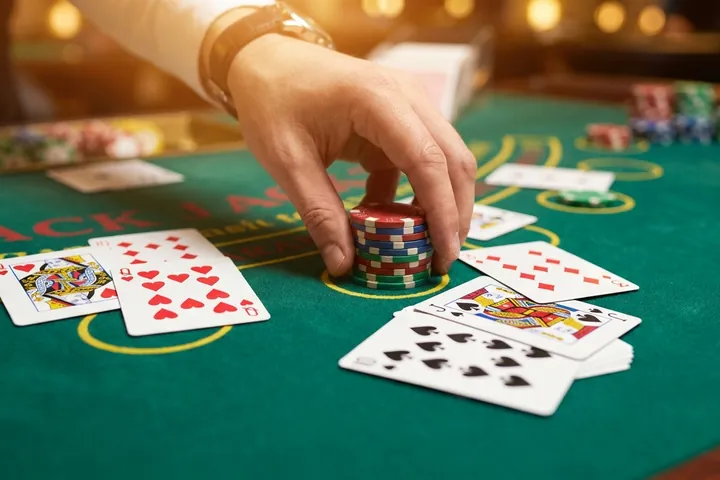
Spanish deck
Every deck has 48 cards - the tens are removed but Jacks, Queens and Kings remain, all still worth 10. Fewer ten-value cards means fewer natural blackjacks.
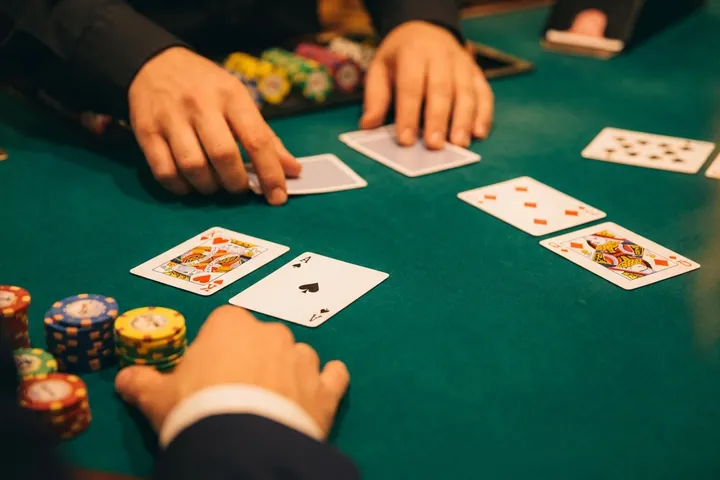
Player 21 always wins
Any player total of 21 wins immediately, and a player blackjack always beats a dealer blackjack. This rule is the backbone of Spanish 21's generosity.
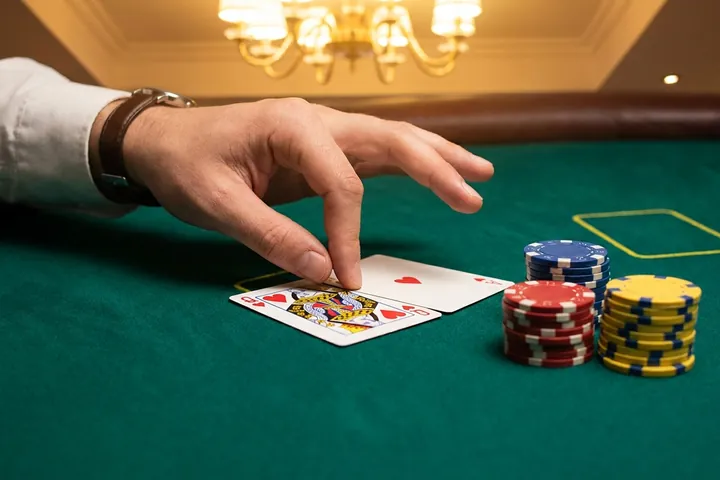
Flexible doubling and rescue
Double down on any number of cards, and after doubling you may “rescue” - take your original bet back and forfeit the double - if the draw looks bad.
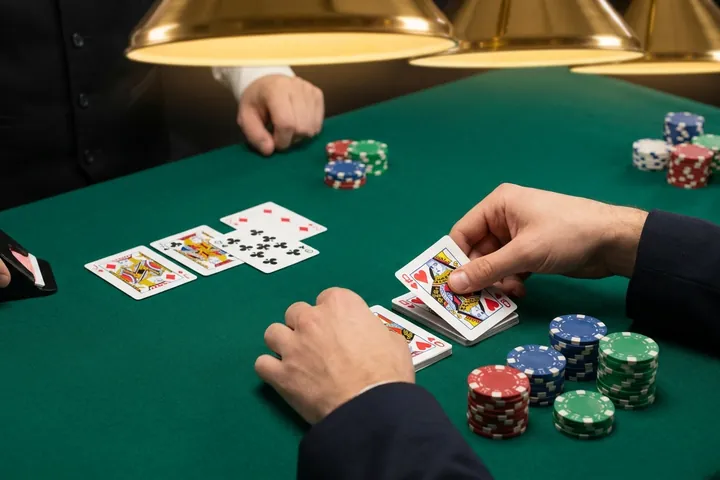
Bonus 21s
A 21 made of five cards pays 3:2, six cards 2:1, and seven-plus 3:1. Mixed 6-7-8 and 7-7-7 pay 3:2, suited pay more, and a spaded set pays the most.
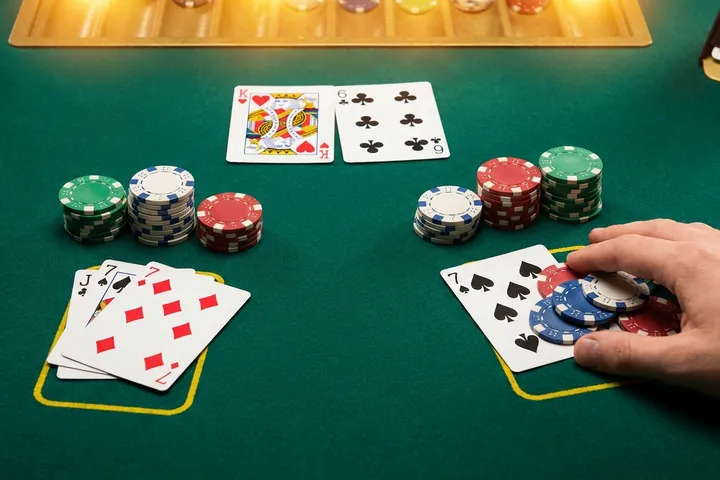
Split and re-split freely
Split and re-split any pair up to four hands, including Aces, and double after splitting. The dealer hits soft 17 and checks for blackjack.
The story behind Spanish 21
Spanish 21 is a trademarked casino game introduced in the mid-1990s, built on a simple provocative idea: take the tens out of the deck. The Spanish deck of 48 cards - lacking the four ten-spots but keeping the face cards - had a long gaming heritage in games like siete y media, and designers used it to create a blackjack variant that looked familiar but played differently.
Because removing tens is a large gift to the house, the game's creators loaded it with player-friendly rules to compensate: a player 21 that always wins, a player blackjack that always beats the dealer's, doubling on any number of cards, double-down rescue, liberal re-splitting, and a schedule of bonus payouts for multi-card and specific 21s. The net result was a game with a house edge comparable to standard blackjack but a much livelier feel.
Spanish 21 became one of the most successful blackjack variants of the modern era, widely spread in North American casinos and adapted online. A closely related version called “Pontoon” (distinct from the British Pontoon) is offered in Australian and Asian casinos using the same no-tens, bonus-rich framework, showing how far the Spanish-deck idea travelled.
Winning Spanish 21 strategy
💡 Top tip: Use a dedicated Spanish 21 chart - ordinary basic strategy is wrong here because removing the tens and adding bonuses shifts dozens of correct plays; treat it as its own game.
Smart plays, in order of importance
- Chase multi-card 21s: keep hitting stiff totals toward a five-, six- or seven-card 21 more aggressively than you would in regular blackjack, because those hands pay bonuses and a 21 always wins.
- Never double the 6-7-8 or 7-7-7 bonus away - if you are one card from a bonus 21, drawing to it is usually worth more than doubling.
- Use double-down rescue: if you double and catch a card that leaves you with a weak stiff total, reclaim the doubled portion rather than playing out a likely loss.
- Split Aces and re-split them when allowed; with the tens gone, split Aces are less likely to make blackjack but still start strong hands you can build on.
- Stand on totals a bit differently than in classic blackjack - because tens are scarcer, the dealer busts less often, so you push toward making your own 21 rather than waiting the dealer out.
- Decline insurance and the optional Match-the-Dealer side bet as your default; the main game's low edge comes from correct core play, not from side wagers.
Advanced Spanish 21 tactics
- The missing tens raise the value of hitting: with proportionally more low cards, drawing to a hard 16 or 17 is safer than in a standard deck, and Spanish strategy hits several totals a normal chart would stand.
- Learn the bonus-aware hitting rules - for example, hit a three- or four-card 16 or 17 that a regular chart would stand, because the multi-card 21 bonus and the always-win 21 change the math.
- Double-down rescue effectively gives you a partial surrender on doubles; factor it in by doubling slightly more aggressively than you otherwise would, knowing you can bail on a bad draw.
- Because a player blackjack always beats a dealer blackjack and 21 always wins, blackjack and 21 are worth more here than in any standard game, which is what pays for the removed tens.
- Track the bonus hands actively: a 6 and 7 of the same suit begs for a suited 8; three 7s building toward a suited 7-7-7 against a dealer 7 is worth deviating to chase on qualifying bets.
- The Match-the-Dealer side bet has a higher house edge than the base game; treat it as entertainment, not strategy, and keep your money on the main wager.
- Manage the higher variance that comes with bonus chasing - long draws to multi-card 21s create swingier sessions, so size bets to survive the dry spells between bonuses.
Common Spanish 21 mistakes to avoid
- Using ordinary blackjack strategy - the missing tens and the bonuses change dozens of plays, so Spanish 21 needs its own chart.
- Standing on stiff totals too early - with tens removed you should hit more and chase multi-card 21s that always win and pay bonuses.
- Doubling away a 6-7-8 or 7-7-7 bonus - if you are one card from a bonus 21, drawing to it usually beats doubling.
- Forgetting double-down rescue - if a double draws badly you can reclaim the doubled portion, so use it instead of playing out a loser.
Spanish 21 rule variations
Dealer stands on soft 17
A friendlier Spanish 21 rule where the dealer stands on all 17s, lowering the house edge below the hits-soft-17 version by roughly 0.2%.
Redoubling
Some Spanish 21 tables let you double a second time (redouble) on the same hand, an aggressive option that raises both the potential payout and the variance.
Australian Pontoon
A regional cousin of Spanish 21 - not the British Pontoon - played with the same 48-card no-tens deck and bonus structure under a different name in Australia and parts of Asia.
Match-the-Dealer side bet
An optional wager that pays when one or both of your cards match the dealer's up-card by rank or suit; it is separate from the main game and carries a higher edge.
Super Bonus rules
Variations differ on the exact Super Bonus for a suited 7-7-7 versus a dealer 7, including the bet caps that qualify and the envy bonus paid to other players at the table.
Spanish 21 questions and answers
Why are the tens removed?
Spanish 21 uses a 48-card Spanish deck with the four 10-spot cards taken out (the face cards stay). Removing tens helps the house, because tens make blackjacks and help players double, so the game's many bonuses and liberal rules exist to give that edge back.
Does a player 21 always win?
Yes. Any player total of 21 wins immediately, even against a dealer who would also reach 21, and a player blackjack always beats a dealer blackjack. This is Spanish 21's signature rule and a major reason it stays fair despite the missing tens.
What are the bonus payouts?
A 21 made of five cards pays 3:2, six cards pays 2:1, and seven or more pays 3:1. A 6-7-8 or 7-7-7 of mixed suits pays 3:2, of the same suit 2:1, and in spades 3:1, with a suited 7-7-7 versus a dealer 7 triggering a large bonus on qualifying bets.
What is double-down rescue?
After you double down, if the extra card leaves you with a poor total you may surrender just the doubled portion and reclaim your original bet. It is a safety valve unique to Spanish 21 that makes aggressive doubling less risky.
Can I use normal blackjack strategy?
No - and doing so is a costly mistake. Removing the tens and adding the bonuses and rescue rule change many correct plays, so Spanish 21 needs its own strategy chart. In general you hit stiff totals more and chase multi-card 21s.
Can I split and re-split Aces?
Yes. Spanish 21 is liberal about splitting: you can split and re-split most pairs, including Aces, up to four hands, and you can double after splitting. That flexibility is part of what offsets the missing tens.
Does the dealer hit soft 17?
In the common version, yes - the dealer hits soft 17 and peeks for blackjack. Some tables have the dealer stand on soft 17, which lowers the edge further; the rules panel shows which applies.
What is the house edge?
Played with correct Spanish 21 strategy the edge is roughly 0.4% in the dealer-hits-soft-17 game and lower when the dealer stands on soft 17 - genuinely competitive with classic blackjack despite how different it feels.
Is the Match-the-Dealer side bet worth it?
Not really. Match-the-Dealer pays when your cards match the dealer's up-card in rank or suit, but it carries a much higher house edge than the main game. It is fun but mathematically a drain, so keep it small or skip it.
Where does Spanish 21 come from?
It is a modern casino invention derived from the older Spanish game of “Siete y Media” traditions and launched in the 1990s as a branded blackjack variant. It spread quickly because its bonuses make it feel exciting while staying close to blackjack's low edge.
Spanish 21 guides & strategy
- Spanish 21 rules and bonuses
- Why Spanish 21 needs its own strategy
- The complete blackjack basic-strategy guide
Still have a question about Spanish 21? Browse the full blackjack FAQ, look up a term like 21 variants or house edge in the blackjack glossary, or compare Spanish 21 with the other games in the rules for every blackjack variant.
Last updated .