Play Super Fun 21 Blackjack
Diamond blackjacks, a six-card auto-win, and surrender any time.Super Fun 21 is free to play right here with no download, no signup and no real-money risk - you start every session with 1,000 play chips. Diamond blackjacks, a six-card auto-win, and surrender any time. It is dealt from 1 deck, blackjack pays 1:1; diamond blackjack pays 2:1, and a basic-strategy player faces a house edge of about ~0.9% with adjusted strategy.
Super Fun 21 is a single-deck game piled high with player-friendly options, offered as a livelier alternative to a plain one-deck table. You can surrender at any point - even after hitting or doubling - double on any number of cards, split up to four hands, and re-split Aces. A player 21 always beats a dealer 21, a six-card hand of 20 or fewer automatically wins, and a five-card 21 pays 2:1 while a six-card 21 pays 3:1. A blackjack in diamonds pays a bonus 2:1. The compensation for all that generosity is a single, easy-to-miss rule: an ordinary blackjack pays only even money, not 3:2. That one downgrade is large, so despite its many perks Super Fun 21 carries a slightly higher house edge than a true 3:2 game. It rewards players who lean into its bonuses - chasing multi-card wins and using the late, liberal surrender - rather than playing it like ordinary blackjack and quietly paying for the even-money naturals.
How to Play Super Fun 21
In a nutshell: Diamond blackjacks, a six-card auto-win, and surrender any time. It is dealt from 1 deck (52 cards), blackjack pays 1:1; diamond blackjack pays 2:1, and the house edge is about ~0.9% with adjusted strategy.
The rules of Super Fun 21 at a glance
| Dealer rule | Hits soft 17 |
|---|---|
| Decks | 1 standard 52-card deck |
| Blackjack pays | 1:1 (2:1 for a diamond blackjack) |
| Surrender | Any time, even after hitting or doubling |
| Auto-win | Six cards totaling 20 or less wins |
| Split | To 4 hands; re-split Aces; double after split |
| House edge | ~0.9% with adjusted strategy |
| Difficulty | Liberal single-deck twist |
| Family | 21 Variants |
Step by step
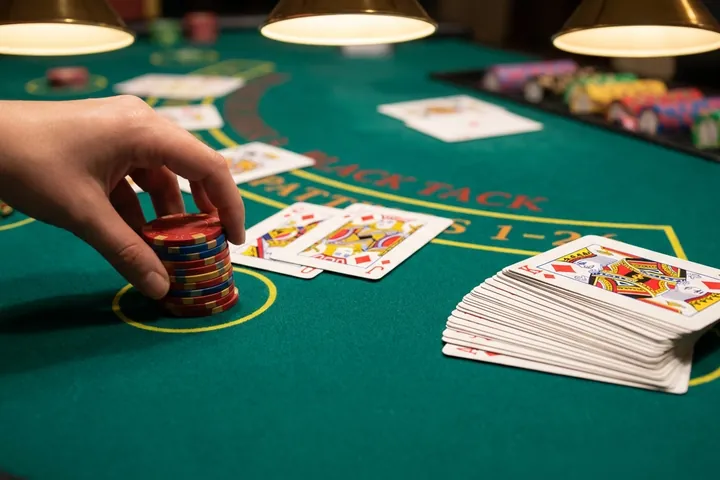
Objective
Beat the dealer at 21 from a single deck, with a rulebook full of bonuses. Note up front that a plain blackjack pays only even money here.
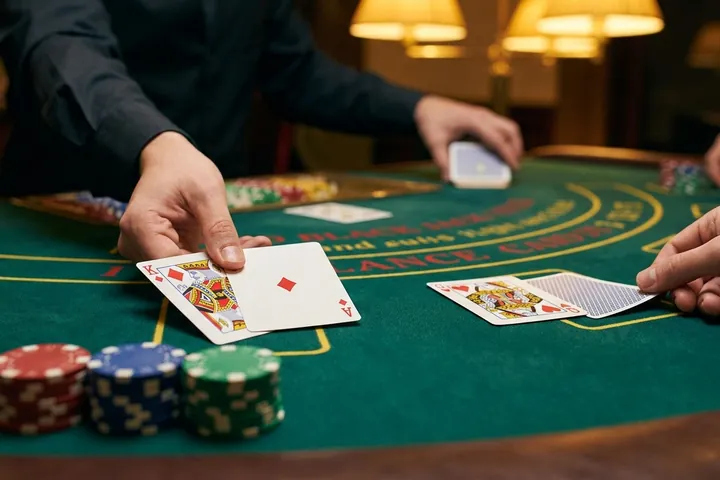
Surrender any time
You may surrender and reclaim half your bet at almost any point in the hand, including after hitting or doubling - a uniquely flexible late-surrender rule.
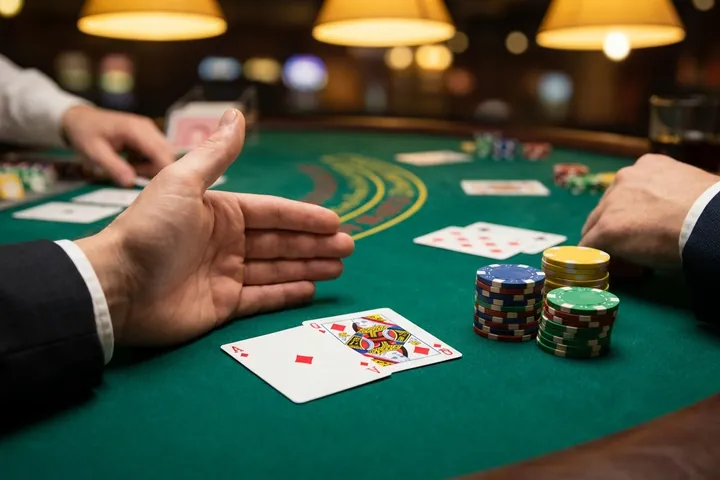
Auto-win hands
A hand of six cards totaling 20 or less automatically wins, and a player total of 21 always beats the dealer's 21. Multi-card totals are your friend.
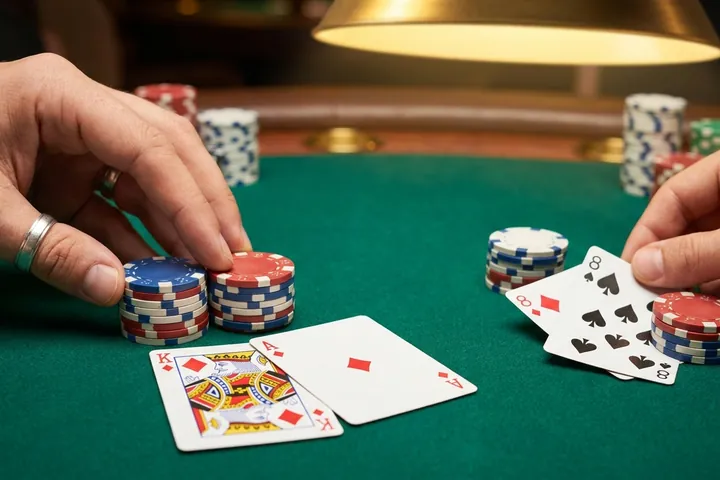
Bonus 21s
A five-card 21 pays 2:1 and a six-card 21 pays 3:1. A blackjack made of two diamonds pays 2:1, the standout bonus in the game.
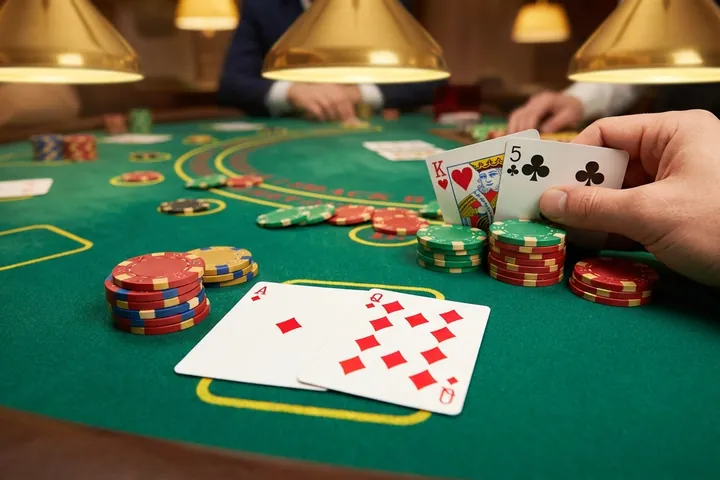
Double and split freely
Double on any number of cards, double after splitting, split to four hands and re-split Aces. The dealer hits soft 17 and the deck reshuffles each hand.
The story behind Super Fun 21
Super Fun 21 is a product of the modern casino era, when operators and game designers competed to launch branded blackjack variants that felt fresh without departing too far from the game players already loved. Introduced in the early 2000s, it took the classic single-deck game and bolted on a long list of player perks, betting that the excitement of bonuses would draw players even at a slightly higher house edge.
The design hinges on a clever trade. Late surrender at any time, doubling on any number of cards, re-splitting Aces, multi-card 21 bonuses, a six-card automatic winner, and a diamond-blackjack bonus are all genuine gifts to the player. Balancing them is the quiet downgrade of the natural blackjack from 3:2 to even money - a change many casual players never notice but which more than pays for the rest.
Super Fun 21 spread through casinos as a recognizable name and migrated naturally to digital play, where its single deck and bonus schedule translate cleanly. It stands as a case study in how the standard 3:2 blackjack payout is worth far more than it looks, and how a game can feel more generous while actually being a touch tougher.
Winning Super Fun 21 strategy
💡 Top tip: Respect the even-money blackjack - it is the hidden cost of the whole game, so lean on the bonuses that pay it back rather than playing Super Fun 21 like a normal 3:2 table.
Smart plays, in order of importance
- Chase multi-card wins: keep hitting toward a five- or six-card 21 or the six-card automatic winner more often than ordinary strategy would, because those hands pay bonuses or win outright.
- Use the flexible surrender as a real tool - because you can surrender after hitting or doubling, you can bail on a hand that turns bad partway through, a defense no standard game offers.
- Double on any number of cards to push toward bonus totals, and remember you can still surrender the doubled hand if the extra cards disappoint.
- Split and re-split Aces when allowed; with a single deck the chance of building strong hands off split Aces is good, and re-splitting extracts extra value.
- Value diamond cards slightly - a two-card blackjack in diamonds pays 2:1, so when you are dealt an Ace or ten of diamonds a natural becomes worth chasing.
- Keep insurance off the table; the even-money-blackjack rule already tells you naturals are not paying premiums, and insurance is a losing bet regardless.
Advanced Super Fun 21 tactics
- Super Fun 21 needs an adjusted single-deck chart: the late surrender and multi-card bonuses make several hits correct that a normal chart would stand, especially stiff totals with room to grow.
- Because you can surrender after doubling, double more aggressively than usual - the downside is capped at half the doubled bet if the draw ruins the hand.
- The six-card-20-or-under auto-win rewards patient hitting on very low totals; a hand crawling toward six cards without busting can be worth drawing out for the automatic winner.
- Even-money naturals mean a blackjack is worth exactly one bet, so never take even money or insurance, and do not adjust play as if a natural carried a 3:2 premium.
- Track suits for the diamond blackjack bonus; it is a small effect, but recognizing a diamond Ace or ten early tells you a natural in the hole is worth a bit more.
- The single deck means card removal matters - your own low cards drawn on a multi-card hand slightly raise the chance the next card is a ten, informing borderline hit-or-stand calls.
- Manage variance: bonus chasing and long multi-card hands make outcomes swingier than a plain single-deck game, so size bets to ride out the stretches where no bonuses land.
Common Super Fun 21 mistakes to avoid
- Playing it like a 3:2 game - the natural pays only even money, so you must lean on the bonuses to make up the difference.
- Ignoring the flexible surrender - you can fold after hitting or doubling, a defense worth using when a hand turns bad partway through.
- Standing too soon on low totals - a six-card hand of 20 or less wins automatically, so patient drawing can pay off.
- Missing the diamond blackjack - a two-card blackjack in diamonds pays 2:1, so a diamond Ace or ten is worth chasing a natural for.
Super Fun 21 rule variations
Even money vs. 3:2 naturals
The defining trade-off. Super Fun 21 pays even money on naturals in exchange for its bonuses; a hypothetical 3:2 version with the same perks would be strongly player-favorable, which is exactly why it is not offered.
Double-deck Super Fun 21
Some tables deal the same bonus rules from two decks instead of one, slightly raising the edge while making the game marginally harder to track by card.
Diamond bonus differences
Casinos vary the diamond-blackjack payout and occasionally add other suited bonuses, changing how much suit-watching matters at a given table.
Surrender timing limits
The most generous version allows surrender at any time; stricter tables limit it to before the first hit or after doubling only, reducing the value of that flexible fold.
Auto-win thresholds
The six-card-20-or-under automatic winner is standard, but some variants also reward five-card or seven-card totals differently, tweaking how aggressively you should draw.
Super Fun 21 questions and answers
Why does blackjack only pay even money?
Even-money naturals are the price of everything else Super Fun 21 gives you - late surrender, multi-card bonuses, auto-win hands and liberal splitting. That single downgrade from 3:2 is a large cost and the main reason the game's edge is a bit higher than a true 3:2 table.
What is the six-card auto-win?
Any hand that reaches six cards with a total of 20 or less automatically wins, regardless of the dealer's hand. It rewards patiently drawing small cards and is one of the game's signature bonuses.
How flexible is surrender here?
Very. You can surrender for half your bet at almost any point, including after you have hit additional cards or doubled down. That is far more generous than the standard late surrender, which is only offered on your first two cards.
What do multi-card 21s pay?
A 21 made of five cards pays 2:1 and a 21 of six or more cards pays 3:1. These bonuses, plus the rule that a player 21 always beats a dealer 21, reward building longer hands than you would in ordinary blackjack.
What is the diamond blackjack bonus?
A two-card blackjack composed of an Ace and a ten-value card both in diamonds pays 2:1 instead of even money. It is the one time a natural pays a premium in Super Fun 21.
Is it really single deck?
Yes, Super Fun 21 is dealt from a single 52-card deck, reshuffled each hand here. The single deck is part of its appeal, offering the low base edge of one-deck play alongside the bonus rules.
Should I play it like normal blackjack?
No. The even-money naturals, flexible surrender and multi-card bonuses shift many correct plays, so Super Fun 21 uses an adjusted strategy that hits more toward bonus totals and surrenders in spots a normal game never offers.
What is the house edge?
With correct adjusted strategy the edge is roughly 0.9%, higher than a genuine 3:2 single-deck game because of the even-money naturals, but reasonable given how many liberal options you get in return.
Can I double after splitting and re-split Aces?
Yes. Super Fun 21 is liberal on splitting - you can split to four hands, double after splitting, and re-split Aces, which is a rare and valuable bonus in blackjack.
Where did Super Fun 21 come from?
It is a modern casino variant, trademarked and introduced in the early 2000s as a bonus-heavy alternative to standard blackjack. Its name is a marketing flourish, but the underlying game is a genuine, mathematically balanced twist on single-deck 21.
Super Fun 21 guides & strategy
- Why even-money naturals cost you
- Adjusted strategy for bonus games
- The complete blackjack basic-strategy guide
Still have a question about Super Fun 21? Browse the full blackjack FAQ, look up a term like 21 variants or house edge in the blackjack glossary, or compare Super Fun 21 with the other games in the rules for every blackjack variant.
Last updated .